Breakthrough Science
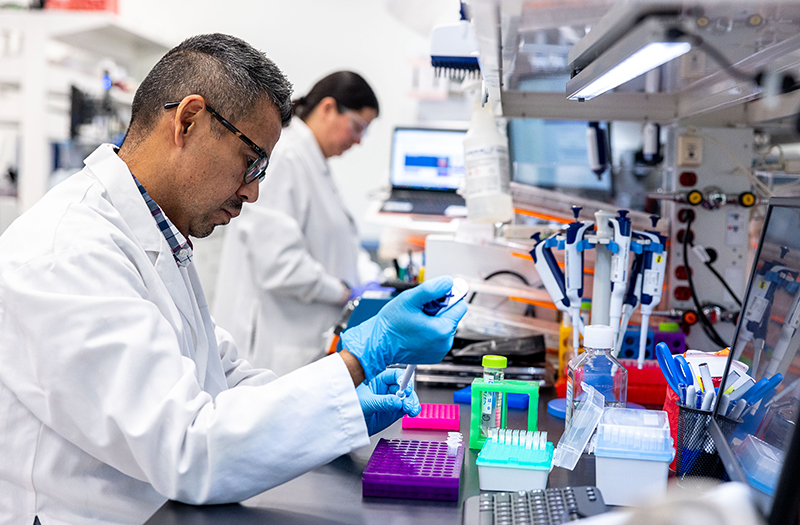
We relentlessly pursue bold science to translate genetic discoveries into new medicines that advance the future of human health.


Learn more about Benjamin’s experience with hypochondroplasia and how his family is navigating this journey.

We’re committed to deepening our understanding of achondroplasia and taking a holistic approach to support this community.

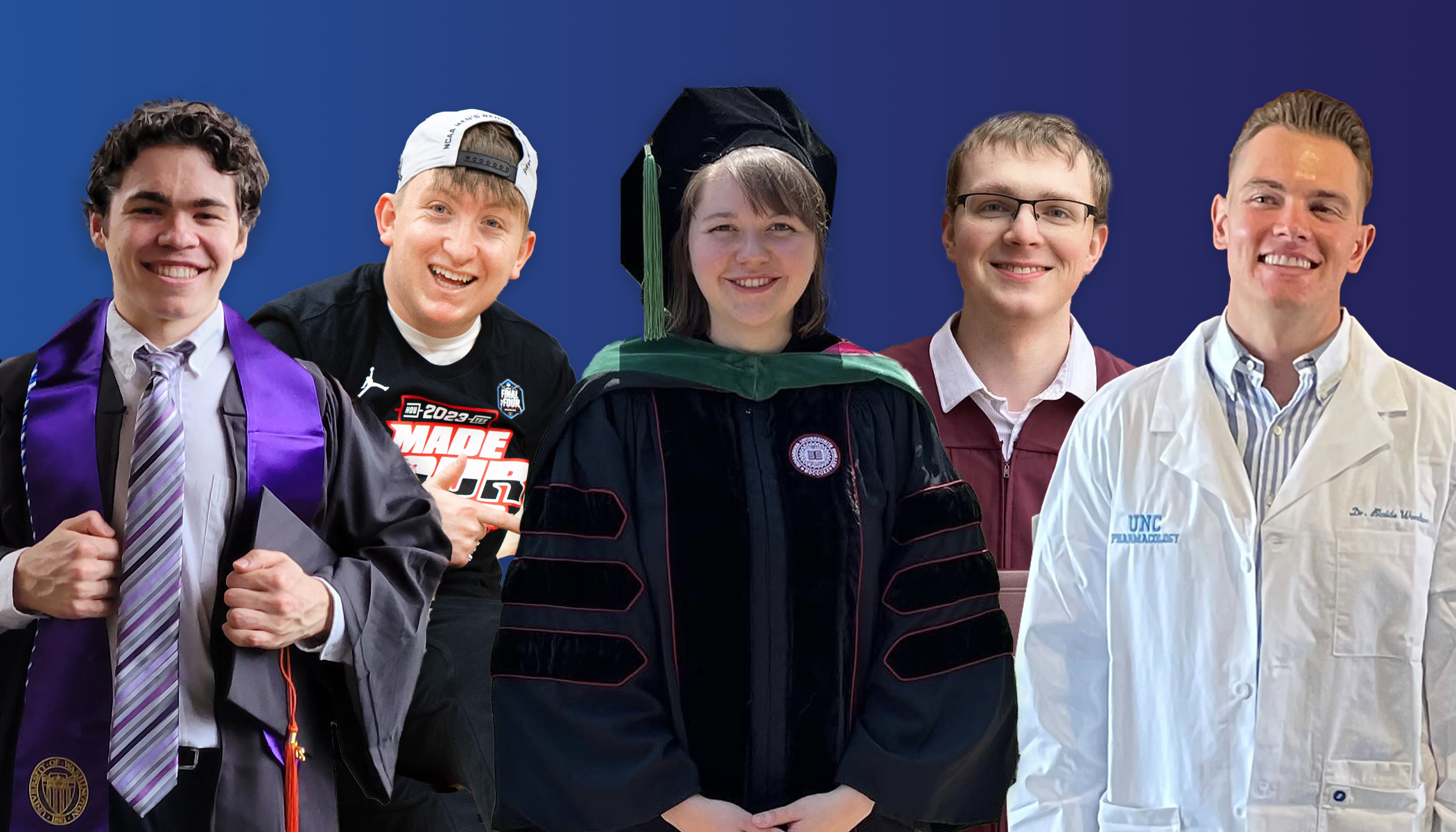
Get to know some of our past scholarship recipients and learn how the program has supported them in pursuing their career goals.
We relentlessly pursue bold science to translate genetic discoveries into new medicines that advance the future of human health.

We listen to and learn from patient communities to collaborate on solutions with the potential to help improve care.
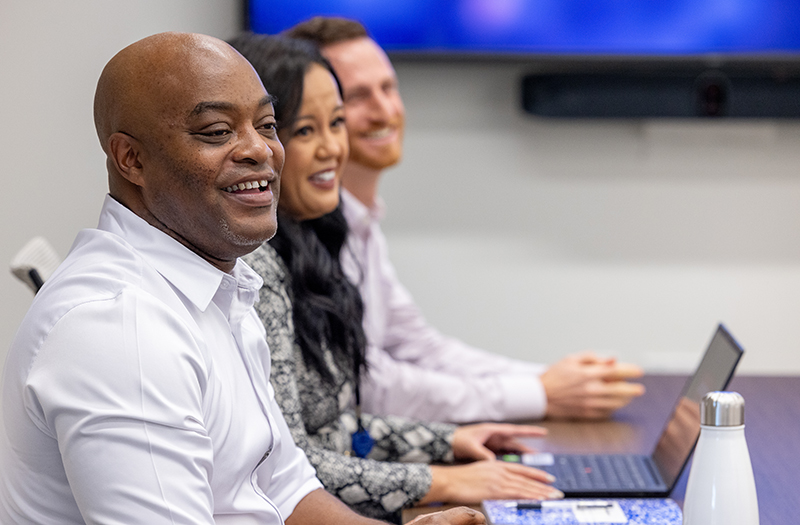
Our talented and dedicated people represent the best the biotech industry has to offer and have helped shape a culture focused on working together to deliver for the patients we serve.
Since our founding in 1997, we’ve applied our scientific expertise in understanding the underlying causes of genetic conditions to create transformative medicines, using a number of treatment modalities. Our approved medicines treat achondroplasia, severe hemophilia A and several rare inherited and lysosomal storage diseases. We’re also advancing an industry-leading pipeline of investigational medicines that are in various stages of clinical and preclinical development.
April 24, 2024
April 10, 2024
March 12, 2024
March 7, 2024
March 1, 2024


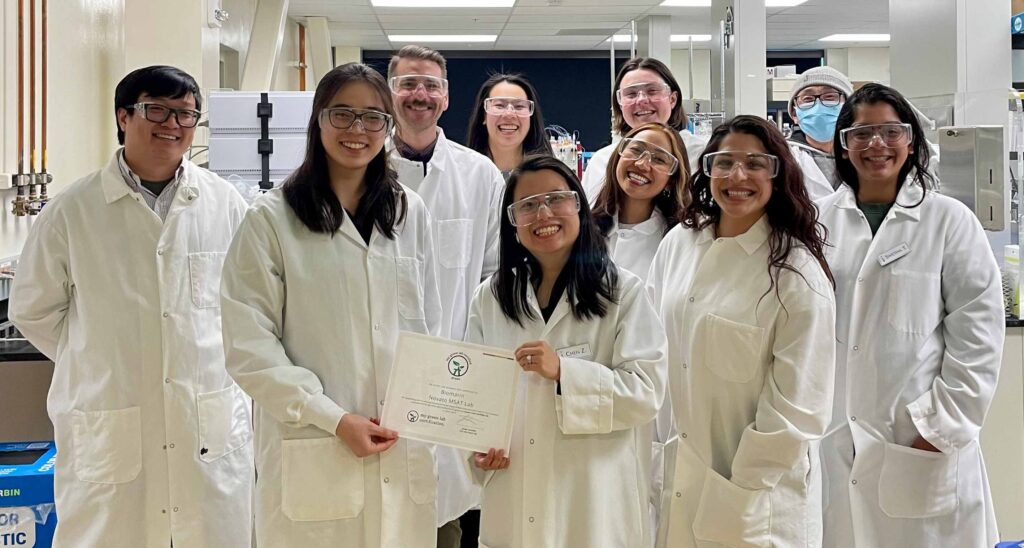
In our first year participating in the My Green Labs program, our manufacturing sciences and technology labs in Novato and Shanbally earned top marks with green certification, and one of our quality control labs in Shanbally was certified platinum. Congrats to our teams in Novato and Shanbally for receiving this recognition!
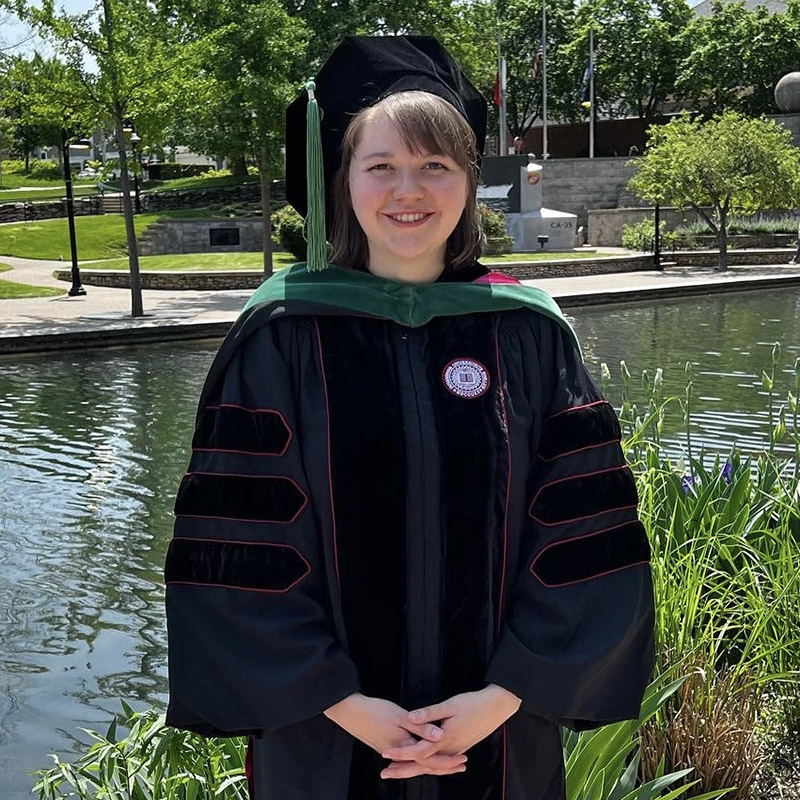
Our longstanding commitment to the PKU community extends beyond medicine and scientific innovation – hear from Olivia Cummings, a neurologist living with PKU, about what it meant to receive financial support during medical school through BioMarin’s RARE Scholars program.
Come work with us. Search our global career opportunities to learn how you can make your mark.